
Creche Cleaning Guide Daily Weekly and Monthly Hygiene Tips for Child Safety

A creche can look tidy and still hide sticky fingerprints, sand in corners, germs on toys, and crumbs under tiny chairs. Children explore with their hands, mouths, and whole bodies, so cleaning is not just about appearance. It is part of daily care.
A good cleaning routine helps reduce the spread of common illnesses, protects children with allergies, prevents slips and accidents, and creates a calmer space for play and learning. When rooms smell fresh, toys are easy to find, and surfaces are safe to touch, children can settle more quickly and staff can focus on care rather than constant catch-up.
This Creche Cleaning Guide Daily Weekly and Monthly Hygiene Tips for Child Safety covers practical routines, essential supplies, and easy checklists staff can use throughout the day.
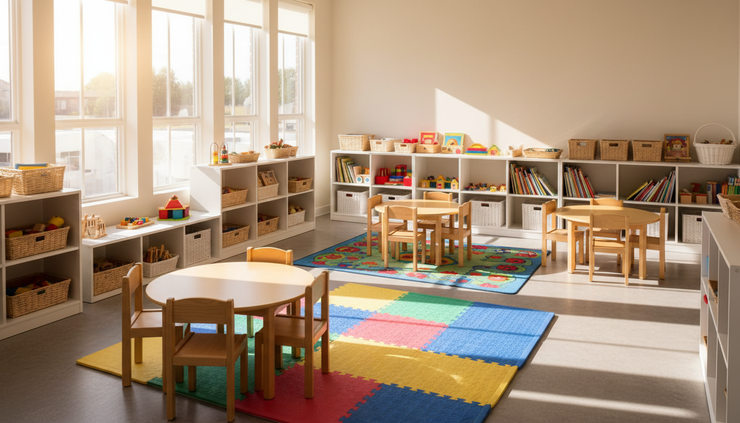
Why a clean creche supports child development
Cleanliness affects more than health. It shapes how children feel in the room.
Young children notice their surroundings, even if they cannot explain them. A clean and orderly space can help them:
Move safely without clutter underfoot
Choose toys more easily
Focus on activities with fewer distractions
Feel secure during meals, rest, and play
Build healthy habits by watching adults clean and tidy
Clean routines also support staff. When each task has a clear time and person, cleaning becomes part of the rhythm of the day rather than a rushed job at closing time.
One preschool room leader described the difference simply: “When the room is clean before the children arrive, the whole morning feels calmer. They settle faster, and we spend less time searching for things or wiping up yesterday’s mess.”
That calm matters. Children thrive when the environment is predictable, safe, and cared for.
Cleaning, sanitising, and disinfecting are not the same
Staff do not need complicated systems, but they do need clear language.
Cleaning removes dirt, crumbs, dust, and many germs from surfaces. It usually involves warm water, detergent, and a cloth or mop.
Sanitising reduces germs to a safer level. This is often used on food-contact surfaces, mouthed toys, and eating areas.
Disinfecting kills many germs on surfaces. It is useful for toilets, nappy-changing areas, spills of bodily fluids, and during outbreaks of illness.
The order matters. Clean first, then sanitise or disinfect if needed. Disinfectant works poorly on a surface covered in food, mud, or sticky residue.
Always follow the product label, local childcare regulations, and public health guidance. Keep cleaning products out of children’s reach at all times.
Essential cleaning supplies for a creche
The best cleaning cupboard is simple, labelled, and easy to use. Too many products can lead to confusion, waste, and unsafe mixing.
A well-stocked creche should have:
Mild detergent for general surface cleaning
Childcare-safe disinfectant approved for the surfaces being cleaned
Food-safe sanitiser for tables and eating areas
Disposable gloves
Colour-coded microfibre cloths
Paper towels for spills and bodily fluids
Mop and bucket, ideally colour-coded by area
Vacuum cleaner or hard-floor sweeper
Dustpan and brush
Lidded bins with liners
Laundry bags or washable containers for soiled fabrics
Scrubbing brushes for sinks and hard-to-reach areas
Spray bottles with clear labels, if allowed by product guidance
Hand soap and child-safe hand-drying supplies
Protective apron for nappy changing and messy clean-ups
Colour coding keeps things safer. For example, cloths used in toilets should never be used on food tables. A simple colour system on the cleaning cupboard door can prevent mistakes.
Area | Suggested cloth colour | Typical use |
Eating areas | Green | Tables, high chairs, food preparation surfaces |
Toilets and nappy areas | Red | Toilet seats, flush handles, changing mats |
General play areas | Blue | Shelves, door handles, toy surfaces |
Sinks and wash areas | Yellow | Basins, taps, splashbacks |
Do not mix cleaning chemicals. Bleach, ammonia, vinegar, and other products can create harmful fumes when combined. If staff are unsure, they should stop and check the label or ask a manager.

Daily creche cleaning tasks staff should never skip
Daily cleaning is the backbone of hygiene. It protects children during the busiest, messiest parts of the day.
A good daily routine covers four key moments:
Before children arrive
After meals and snacks
After toileting and nappy changes
At closing time
Morning opening checklist
Before the first child arrives, staff should walk through each room with fresh eyes.
[ ] Check floors for spills, small objects, or trip hazards
[ ] Wipe tables, chairs, and high-touch surfaces
[ ] Check toilets, sinks, and handwashing supplies
[ ] Empty bins if anything was left from the previous day
[ ] Set out clean toys and remove any damaged items
[ ] Check sleep mats, blankets, and soft furnishings
[ ] Make sure cleaning products are locked away
[ ] Open windows briefly if safe and suitable
This quick check can prevent small problems from becoming stressful once children arrive.
Mealtime cleaning checklist
Food areas need careful attention because crumbs, spills, and sticky hands spread quickly.
[ ] Clean tables before food is served
[ ] Wash or sanitise children’s hands before eating
[ ] Wipe high chairs and booster seats after use
[ ] Sweep or vacuum crumbs from the floor
[ ] Clean spills straight away to prevent slips
[ ] Remove food waste promptly
[ ] Sanitise tables after meals and snacks
[ ] Wash reusable cups, plates, and utensils properly
Children can be included in age-appropriate ways. A toddler can place a cup in a tub. A preschooler can wipe a spot with a damp cloth under supervision. These small routines teach respect for shared spaces.
Toileting and nappy-changing checklist
This area needs strict hygiene every time.
[ ] Wash hands before and after each change
[ ] Wear gloves and an apron when needed
[ ] Use a clean changing surface for each child
[ ] Dispose of nappies in a lined, lidded bin
[ ] Clean and disinfect the changing mat after every use
[ ] Wipe taps, flush handles, and toilet seats often
[ ] Help children wash hands properly
[ ] Restock soap, paper towels, wipes, and gloves
A useful rule is to treat the nappy-changing area as a single-purpose zone. Do not place toys, bottles, lunch boxes, or paperwork there.
End-of-day checklist
Closing time is when the room resets for tomorrow.
[ ] Put toys into the correct cleaning or storage area
[ ] Remove mouthed toys for washing
[ ] Wipe shelves, tables, chairs, and door handles
[ ] Vacuum carpets and sweep hard floors
[ ] Mop hard floors with the correct product
[ ] Empty bins and replace liners
[ ] Clean toilets and sinks
[ ] Launder soiled fabrics
[ ] Check windows, doors, and cleaning cupboards
[ ] Record completed tasks on the cleaning log
A nursery assistant once shared that their team started using a closing checklist after repeated winter bugs. “It stopped the guessing. Everyone knew what had been cleaned, and parents noticed the rooms felt fresher at drop-off.”
That kind of consistency builds trust.

Weekly cleaning tasks that keep germs and grime under control
Weekly tasks go deeper than the daily reset. They help catch the places that collect dust, fingerprints, and hidden mess.
Set a regular day for each task so it does not all pile up on Friday afternoon.
Weekly staff checklist
[ ] Wash and sanitise plastic toys
[ ] Launder dress-up clothes, blankets, and cushion covers
[ ] Clean bookshelves and toy storage baskets
[ ] Wipe skirting boards, windowsills, and low ledges
[ ] Clean light switches, door frames, and handrails
[ ] Deep clean high chairs and feeding equipment
[ ] Disinfect bathroom walls near sinks and toilets
[ ] Check outdoor toys for dirt, mould, cracks, or sharp edges
[ ] Clean prams, buggies, and shared transport items
[ ] Review cleaning logs for missed tasks
Soft toys need special care. If they cannot be washed properly, they may not be suitable for regular creche use, especially with younger children who mouth toys.
For sensory play items, check regularly for freshness. Water trays, play dough, sand trays, and natural materials can become unhygienic if left too long. Use clean containers, supervise closely, and replace materials as needed.
Monthly cleaning tasks for long-term safety
Monthly cleaning protects the wider environment. These tasks are less urgent day to day, but they make a big difference over time.
Monthly staff checklist
[ ] Empty and clean storage cupboards
[ ] Check expiry dates on cleaning products
[ ] Inspect first aid cleaning supplies
[ ] Deep clean carpets, rugs, and mats where suitable
[ ] Wash curtains or blinds if washable
[ ] Clean vents and dust high surfaces safely
[ ] Check under heavy furniture for dust and lost items
[ ] Inspect toys for damage, loose parts, or peeling surfaces
[ ] Review infection control procedures with staff
[ ] Update cleaning schedules after room layout changes
[ ] Check pest prevention measures
[ ] Refresh labels on bottles, bins, shelves, and laundry areas
Monthly reviews are also a good time to ask staff what is working. The people cleaning the rooms often know which routines are realistic and which ones need adjusting.
A manager might ask:
Which areas get messy fastest?
Are supplies easy to find?
Are cleaning logs quick enough to use?
Do staff need refresher training?
Are any products causing strong smells or skin irritation?
Good cleaning systems improve through feedback, not blame.
Toy cleaning deserves special attention
Toys move from hands to mouths to floors and back again. That makes toy hygiene one of the most important parts of creche cleaning.
Clean toys based on how children use them
Mouthed toys should be removed immediately after use and placed in a clearly labelled wash tub.
Shared toys used by toddlers may need daily cleaning, especially blocks, cars, dolls, and pretend food.
Hard plastic toys are usually easier to clean than fabric or wooden toys. Check manufacturer instructions where available.
Electronic toys need careful wiping rather than soaking. Remove batteries if cleaning guidance requires it.
Outdoor toys should be checked for mud, bird droppings, insects, and standing water.
Use a toy rotation system
Toy rotation helps hygiene and learning. Instead of having every toy out all day, keep a smaller selection available and rotate sets.
This makes it easier to:
Clean toys properly
Spot damaged items
Reduce clutter
Renew children’s interest
Match toys to current learning goals
A simple labelled shelf can make the system work: `Ready to use`, `To be cleaned`, and `Drying`.
Hygiene habits children can learn every day
Creche cleaning works best when adults model healthy habits. Children learn by watching and joining in.
Build these habits into the daily routine:
Wash hands on arrival
Wash hands before eating
Wash hands after toileting
Cover coughs and sneezes with a tissue or elbow
Put used tissues in the bin
Keep cups and dummies separate
Help tidy toys before moving to a new activity
Use a personal comfort item storage space
Use songs, picture cards, and gentle reminders. The goal is not perfection. The goal is repetition.
A simple handwashing song can turn a rushed task into a predictable routine. Visual prompts near sinks also help children remember the steps without staff repeating instructions all day.
Safety tips for cleaning around children
Cleaning in a creche has one extra challenge: children are curious. Buckets, sprays, mops, and wipes can all attract attention.
Use these safety rules every day:
Store all products in a locked cupboard
Keep products in original containers where possible
Never leave a mop bucket unattended
Use wet floor signs or block access to wet areas
Choose low-odour products where suitable
Ventilate rooms during and after cleaning
Keep small cleaning items away from babies and toddlers
Clean spills as soon as they happen
Wash staff hands after using cleaning products
Report damaged flooring, loose tiles, or sharp furniture edges
Cleaning during the day should be quick, controlled, and child-safe. Save stronger product use and larger floor cleaning for times when children are not in the room.

How to keep staff routines consistent
Even the best checklist fails if no one knows who is responsible. Assign tasks clearly and keep records simple.
A strong system includes:
A named person for each area
A daily sign-off sheet
Clear product instructions
A process for reporting low supplies
Short refresher training for new staff
A plan for illness outbreaks
Regular checks by the manager or room leader
Cleaning logs should be easy to complete. If they take too long, staff may fill them in later from memory. A tick-box sheet on a clipboard often works better than a long form.
Staff also need permission to stop and clean when needed. A spill, toileting accident, or mouthed toy cannot wait until the scheduled cleaning time.
A simple sample cleaning schedule
Use this as a starting point and adapt it to the age group, room size, opening hours, and local rules.
Task | Daily | Weekly | Monthly |
Wipe tables and chairs | Yes | ||
Clean toilets and sinks | Yes | ||
Remove mouthed toys | Yes | ||
Wash toy sets | Yes | ||
Launder soft furnishings | Yes | ||
Clean storage baskets | Yes | ||
Deep clean rugs and mats | Yes | ||
Review cleaning products | Yes | ||
Inspect toys and equipment | Yes | ||
Review staff cleaning logs | Yes | Yes |
The real sign of a clean creche
A clean creche does not smell strongly of chemicals. It does not feel sterile or cold. It feels fresh, cared for, and ready for children to explore.
The real signs are simple:
Children can play safely on the floor
Staff know what to clean and when
Parents feel confident at drop-off
Illness routines are clear
Toys are safe, complete, and clean
The room resets well each day
Cleanliness is one of the quiet foundations of good childcare. It supports health, comfort, independence, and learning. With the right supplies, clear checklists, and steady habits, a creche can stay welcoming without staff feeling overwhelmed.
Start with the daily checklist, build in weekly and monthly tasks, and keep the system visible. Small routines, repeated well, make the biggest difference.


Comments